
By Tanya O’Neil | The Estancia Group of Real
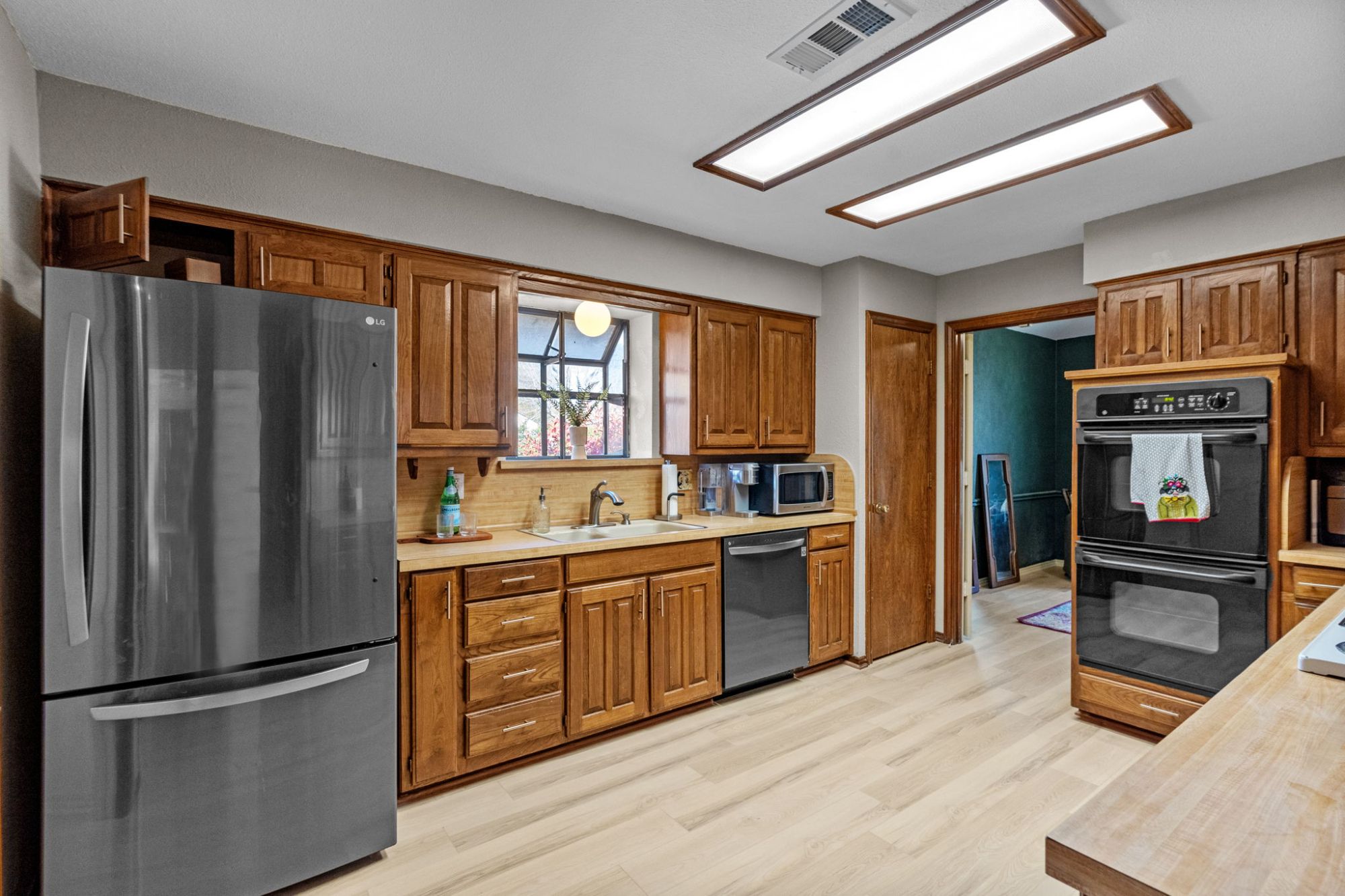
Before you start picking countertops or getting bids for new flooring, let’s talk about what your home actually needs before it goes on the market.
Some projects help a home show better. Some address problems buyers will want answers about. Others look beautiful but leave the seller with a bill the sale price never quite catches up to.
For sellers in Denton County and the surrounding DFW area, my starting point is the same: look at the home, the competition, and the budget before choosing the projects.
The goal is to keep more money from your sale after the work is paid for.
What a good return really means
“Return on investment” gets used pretty loosely in real estate. If you spend $15,000 on improvements and your home sells for $12,000 more because of them, you have recovered 80% of the cost. You have not made a profit on that project. You are still $3,000 behind, before considering any other expenses.
That is an illustration, not a prediction. It shows why a higher sale price and a better financial outcome are not always the same thing.
I would evaluate a project in three ways: how much additional value it may create, whether it addresses an obstacle to the sale, and what it costs in money and time. A repair that resolves an active leak deserves a different conversation from replacing an attractive, functioning backsplash.
Even 100% cost recovery only gets the project back to its starting point before other costs.
What the Dallas remodeling numbers tell us
The 2025 Cost vs. Value Report provides a useful comparison of defined remodeling projects in the Dallas market.
|
Project |
Estimated project cost |
Estimated resale value added |
Cost recovered |
|---|---|---|---|
|
Garage door replacement |
$4,246 |
$11,178 |
263.3% |
|
Steel entry door replacement |
$2,268 |
$5,713 |
251.9% |
|
Minor kitchen remodel, midrange |
$26,097 |
$31,408 |
120.4% |
|
Bathroom remodel, midrange |
$23,121 |
$17,512 |
75.7% |
|
Major kitchen remodel, midrange |
$75,995 |
$39,376 |
51.8% |
Source: 2025 Cost vs. Value Report, Dallas.
These are project estimates, not contractor quotes or guaranteed increases in your home’s value. The report uses remodeling cost data and surveys of real estate professionals; it does not establish what a particular buyer will pay for your house. Read Zonda’s methodology.
My takeaway: consider the scope carefully. A focused improvement may be easier to justify than a major renovation. A high percentage on a report still is not a reason to replace something that already looks good and works well.
Start with condition and repairs
Before putting money into cosmetic upgrades, I would investigate active leaks, electrical concerns, drainage issues, HVAC problems, and signs that may warrant a foundation evaluation.
That does not mean automatically replacing every older system. Age, condition, and function are different things. An older working system and a failing one need different plans.
For a roof, foundation, or major mechanical concern, start with an appropriate professional’s evaluation and a written scope of work. Then compare repairing, replacing, or selling with the condition reflected in the price and terms.
Keep the findings, invoices, and any transferable warranty information organized. A fresh coat of paint should be the finishing step after a moisture problem is addressed, never the solution to it.
Texas seller disclosures address material facts and property condition. Work through the applicable disclosure requirements even when choosing to sell without making repairs. Texas Real Estate Commission seller disclosure information.
Where I would look for practical improvements first
Targeted paint
Paint deserves a look when walls are heavily scuffed, colors overwhelm the rooms, or previous touch-ups are obvious. In NAR’s 2025 Remodeling Impact Report, painting the entire home and painting a single room were the most frequently recommended projects before listing. Those are recommendation rates, not measured returns on painting. NAR report findings.
My approach would be to paint where it solves a visible problem. Choose a color that works with the existing floors, cabinets, and counters. Painting everything the same fashionable shade does not guarantee a cohesive result.
Skip: a whole-house repaint when the existing finish is fresh and works with the home.
Cleaning and flooring
I would start with a thorough cleaning, including windows, baseboards, grout, and the places everyday living makes easy to overlook. If there is an odor, identify and address its source before considering new finishes.
For flooring, get a cleaning or repair assessment before assuming replacement is necessary. Worn carpet, broken tile, and a small scratch in an otherwise attractive floor deserve different responses.
Skip: replacing all the flooring simply because another material is currently popular. If replacement is justified, choose a durable finish that fits the house and the likely buyer’s expectations.
Curb appeal
Start with trimming overgrowth, cleaning the entry, tidying beds, and repairing obvious damage. Then evaluate whether the front door or garage door needs maintenance, refinishing, or replacement.
The Dallas cost-recovery estimates make doors worth evaluating. They do not make replacement an automatic recommendation.
Skip: elaborate landscaping, extensive new hardscaping, or a brand-new outdoor kitchen without a clear reason tied to the home’s competition.
A focused kitchen refresh
Before proposing a kitchen remodel, I would ask what is actually holding the room back. Is it worn cabinet finish? A broken appliance? Poor lighting? A countertop that clashes with everything around it?
Possible improvements include repairing cabinet doors and drawers, updating dated hardware, improving lighting, or replacing a damaged surface. Choose the smallest coherent scope that addresses the problem.
Cabinet painting deserves a real quote and a close look at the cabinets themselves. A poor finish can leave you paying to fix the “upgrade.”
Skip: moving plumbing, changing the layout, and buying premium appliances just to get the home listed, unless comparable sales support that investment.
A bathroom refresh
Address leaks and damaged materials first. Then evaluate cleaning, grout or caulk work where appropriate, lighting, mirrors, and worn fixtures.
A bathroom can be clean, functional, and appealing without being brand new. Replacing one obviously tired element may be enough; replacing everything requires a stronger financial case.
Skip: tearing out a functioning bathroom solely because the tile would not be your first choice today.
Where sellers can overspend
I would be cautious about adding a pool, converting a garage, building an addition, or installing highly customized finishes shortly before selling. Each deserves its own analysis of cost, timing, permits where applicable, and comparable homes.
The same caution applies to improving far beyond the neighborhood. A more expensive finish does not automatically move your house into a higher price bracket.
Another trap is doing projects one at a time without considering the whole room. New counters can make old cabinets stand out. A new faucet can clash with the remaining fixtures. Set the scope before the first purchase so a small refresh does not quietly turn into a renovation.
And be honest about workmanship. If a project requires skills you do not have, budget for qualified help. Buyers will see the finished work, not the hours you spent trying.
Give presentation a place in the budget
Before spending everything on permanent improvements, consider furniture placement, excess belongings, lighting, and staging.
NAR’s 2025 Profile of Home Staging found that 83% of buyers’ agents said staging helped buyers envision a property as their future home. That is an agent survey finding, not a promise of a particular price increase. NAR staging findings.
My recommendation is to assess presentation alongside repairs. Sometimes removing an oversized piece of furniture and clarifying how a room functions is a better next step than buying something new.
Decide what to fix before you hire anyone
For a seller planning to move soon, I would work through these questions:
-
What problem does this project solve? Identify whether it addresses condition, appearance, or a feature buyers expect at this price.
-
What do comparable homes show? Look at recently sold properties and current competition with similar location, size, and condition.
-
What is the full cost? Include labor, materials, related repairs, contingency, and the cost of any delay.
-
Is there a smaller solution? Compare cleaning, repairing, and refreshing before replacing.
-
Would an adjusted price or negotiated credit make more sense? Discuss whether that approach fits the buyer, financing, contract terms, and your timeline.
A project can be worth considering without being worth doing. If the likely benefit is uncertain and the expense is substantial, I would want a stronger case before spending your money.
If you plan to stay for several years, personal enjoyment belongs in the decision, too. A renovation you will use every day serves a different purpose from work completed just before listing.
Build the plan around your home
You do not need to turn your home into someone else’s dream renovation before you sell. You need a thoughtful plan for its condition, its competition, and your next move.
Sometimes that means repairs and a few focused updates. Sometimes it means cleaning, staging, and leaving good finishes alone. Sometimes selling as-is is the right fit.
Thinking about selling in Denton County or the surrounding DFW area? Let’s walk through your home before you start spending. I’ll help you sort out what to tackle, what to leave alone, and how to prepare with your likely net proceeds in mind.
FROM OUR BLOG


How to Choose the Right Neighborhood in Denton County: A Friendly Guide for Every Home Seeker
How to Choose the Right Neighborhood in Denton County: A Friendly Guide for Every Home Seeker Choosing the right neighborhood is a big decision—one that can shape your daily life, your sense of community, and even your future. If you’re considering a move to Denton County, Texas, you’re in luck: thi

How to Maximize Starter Home Sale Proceeds in Flower Mound
Starter home sale proceeds in Flower Mound are usually maximized by launching at a supportable price, resolving visible buyer objections, and comparing offers by projected net rather than headline price alone. For first-time sellers, thoughtful preparation can protect funds that might otherwise be l
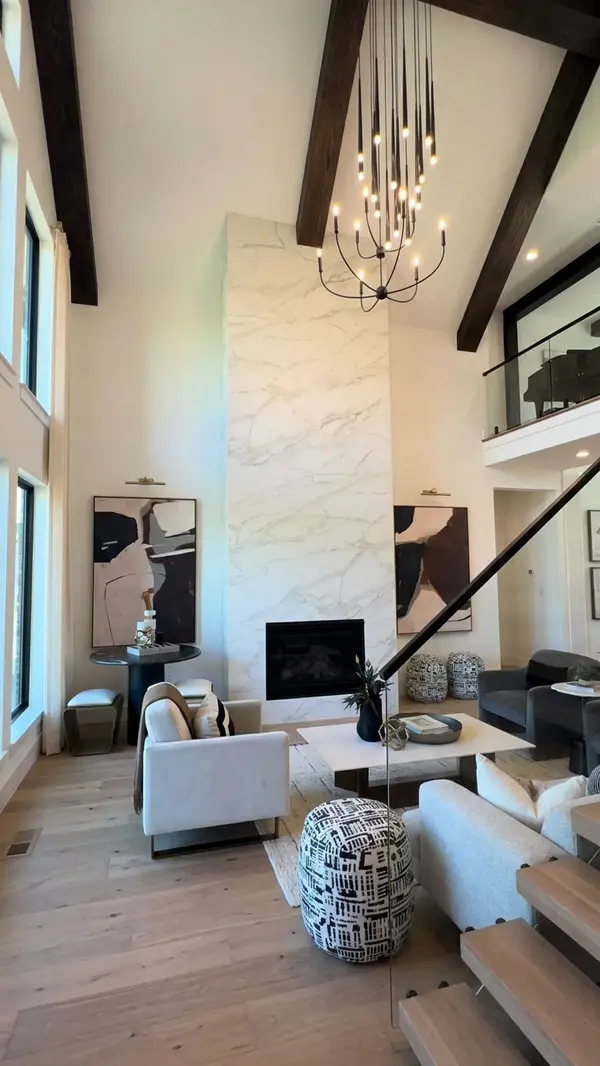
Furst Ranch Flower Mound: 11 Model Homes, Builders & Prices
Furst Ranch Grand Opening: Inside All 11 Model Homes in Flower Mound October 17, 2026 | Flower Mound & Argyle Real Estate Eleven model homes. Nine builders. One very ambitious new community. I spent Saturday exploring Furst Ranch during its grand opening celebration, appropriately called “Puttin’ Do