
When evaluating communities in DFW, insider tips on what buyers miss can make all the difference. The details that most shape daily life and long-term value across Argyle, Flower Mound, Denton, Keller, and North Fort Worth rarely appear on a public listing: layered tax structures inside master-planned developments, school district boundary nuances, district restructuring, and growth policies.
This guide surfaces those community-level realities for buyers comparing these five North Texas corridors.
Argyle, TX: What the School Rating Doesn't Show You
Argyle ISD's "A" accountability rating, a score of 92 out of 100 for the 2025-2026 school year per the Texas Education Agency, draws buyers consistently, but it is only part of the picture. The district is small and tight-knit, which translates to genuine community cohesion, but it also means which school your child attends depends heavily on which part of Argyle you buy in.
The community defining most buyer conversations here is Harvest by Hillwood, an agrihood-style master-planned development straddling Argyle and Northlake. Harvest is built around a working farm, resort-style pools, and an extensive lifestyle programming calendar. What buyers frequently overlook before going under contract: Harvest sits within two Fresh Water Supply Districts (FWSDs), layered on top of standard municipal taxes. The combined property tax rate for Harvest homeowners varies meaningfully depending on exact lot location and which school district applies, according to the official Harvest HOA information.
Buyers should request the current estimated tax rate for the specific homesite they are considering, not rely on a citywide average, because the difference can add hundreds of dollars per month to carrying costs.
The second thing buyers miss: which school district actually serves a given address. Parts of Harvest fall under Argyle ISD and parts under Northwest ISD. Both districts are strong, but the feeder school and eventual high school will differ. Verify by address before you write an offer, not after.
For buyers drawn to Argyle's rural character outside of master-planned communities, the west side of town still offers larger acreage lots with custom and semi-custom homes, many in the mid-range to upper-tier price bands that mid-range and luxury buyers are targeting. Those properties typically do not carry the FWSD or Public Improvement District (PID) assessments that community-amenity developments do, which changes the monthly cost picture substantially. The range of what is available across both master-planned and acreage options in Argyle is detailed on the Argyle, TX homes and neighborhoods area page.
What buyers miss most in Argyle: The layered tax structure inside master-planned communities, and the school-district-by-address detail that does not appear on any marketing map.
Flower Mound, TX: SMARTGrowth Is the Story, Not Just the Slogan
Flower Mound's character is shaped by a policy most buyers have never heard of before touring here: SMARTGrowth, a growth-management framework the Town first adopted on January 11, 1999, with the SMARTGrowth Management Plan formally adopted on February 17, 2000. The program applies 29 criteria across six categories, including public infrastructure, environmental quality, and community character, to every development proposal.
For a buyer, that translates to two practical realities. First, new construction supply in Flower Mound is genuinely constrained. If you are comparing it to Prosper, Celina, or Northlake, where builders are pulling permits at high volume, Flower Mound's resale inventory is largely competing against other resale homes, not a builder two miles away offering incentive packages. That constraint has historically supported resale values. Second, the town's character (mature Cross Timbers oak canopy, rolling terrain, and trail access to Grapevine Lake) is unlikely to be diluted by sudden density. What you see is largely what will remain.
The flip side: buyers who want constant suburban evolution (new restaurants, entertainment, and walkable town centers emerging quickly) may find Flower Mound too established. Three large developments are reshaping parts of the town in 2026: Lakeside DFW near Grapevine Lake, Furst Ranch on the far west side (a multi-decade buildout at US 377 and FM 1171), and a commercial development at Cottonwood on FM 407.
West-side buyers should research proximity to Furst Ranch carefully. The approved plan contemplates 3,000 single-family homes and 5,000 apartments over a buildout potentially spanning forty years, per municipal project approvals.
On pricing, Flower Mound is not one market. Neighborhood-level values span from the upper $300s on the eastern edge toward Lewisville to above $900,000 in Bridlewood and Wichita Chase, with the mid-$600s to mid-$700s representing the most active inventory segment, per aggregated MLS listing data from July 2026. Verify your school attendance zone through Lewisville ISD directly, because portions of the far west side fall outside LISD boundaries, affecting both resale comps and community connections.
The town's property tax rate sits at 38.7277 cents per $100 of assessed value under the proposed fiscal 2026-27 budget, with a 20 percent homestead exemption, the maximum permitted under Texas state law, per town budget filings. Your total bill will also include Lewisville ISD and Denton County levies. The Denton Central Appraisal District's parcel search is the right tool for confirming the combined figure on any specific property.
A breakdown of Flower Mound's micro-neighborhoods and current inventory is available on the Flower Mound, TX listings and neighborhoods area page.
What buyers miss most in Flower Mound: SMARTGrowth's practical effect on supply and long-term character, and the wide pricing variation by micro-neighborhood that any citywide median obscures.
Denton, TX: A University Town That Buys Differently Than It Reads
Denton offers two distinct buyer realities under one city name: the university-adjacent historic neighborhoods near the square, and the master-planned growth-edge communities like Landmark by Hillwood and Robson Ranch, which attract an entirely different buyer profile. Understanding which Denton you are actually shopping is the first step.
The presence of the University of North Texas and Texas Woman's University creates a genuinely distinct character in neighborhoods near the historic square and university corridors, one that attracts professors, artists, and buyers who want character over new-construction uniformity. That part of Denton looks nothing like the communities developing on the city's south and west edges.
For mid-range and luxury buyers, the communities drawing the most attention are the growth-edge developments. Landmark by Hillwood integrates residential neighborhoods with 1,100 acres of parks, trails, and preserved natural space, with home sizes and lot configurations that rival what buyers find in Frisco or Southlake at a notably lower price point. Robson Ranch is a gated 55-plus active adult community with its own golf course, fitness complex, and resident programming, attracting buyers for whom amenities and lifestyle take priority over school district access. Entry-level luxury in Denton often delivers the same square footage and finish level as mid-range in Southlake or Westlake, which makes it a genuinely competitive option for buyers who want the space without the premium zip code cost.
What buyers arriving from Frisco, Plano, or Southlake frequently miss: Denton is priced at a meaningful discount to much of the DFW corridor while still connecting to major employment via I-35W and US 380. That discount reflects both the university-town character and the fact that some parts of Denton are still in an earlier phase of suburban buildout. Infrastructure is not uniformly polished across the city.
Buyers who want grocery stores and restaurants within five minutes of their front door should map that specifically for any neighborhood they are considering rather than assume it from the broader city's profile.
School zone verification matters acutely here. Denton ISD is large, and the campus serving your specific address will vary significantly depending on where in the city you land. Newer master-planned communities on the growth edges are often developed to align with specific school feeders, worth confirming with the district before writing an offer. A comparison of master-planned options against established Denton neighborhoods is available at Denton, TX area homes and communities.
What buyers miss most in Denton: The city's range is wide enough that buying in Denton can mean entirely different communities, price points, and daily-life experiences depending on the specific neighborhood.
Keller, TX: Keller ISD Is Changing, and Buyers Need to Know
Keller carries strong residential appeal: mature tree canopy, established neighborhoods, generous lot sizes, and Keller ISD, a district that has been central to the city's buyer draw for years. But buyers in 2026 are walking into a district in active transition, and the details matter before you write an offer.
Keller ISD's Board of Trustees approved a campus consolidation plan on May 14, 2026, following months of stakeholder committee work. The plan closes three intermediate schools (Bear Creek, Parkwood Hill, and Trinity Meadows) at the end of the 2026-27 school year. The restructuring aligns the district to a consistent PreK-5 elementary, 6-8 middle, 9-12 high school configuration across all campuses, and is projected to save approximately $3 million to $3.75 million annually in operating expenses, per official district reporting. Shady Grove Elementary, which was included in an earlier consolidation proposal, was ultimately spared from closure in the final approved plan.
What this means for buyers: the district's timeline calls for specific boundary adjustments to be finalized by August 2026, with transfer processes for legacy students and siblings finalized by October 2026, ahead of the 2027-28 school year per the district's consolidation timeline. A home's current school assignment may differ from its assignment starting that fall. Verify through Keller ISD's campus consolidation page directly, not a listing aggregator's school badge, which won't reflect boundary changes that haven't been finalized yet.
Beyond the school transition, Keller's residential market serves both upper mid-range and entry-level luxury buyers well. Established neighborhoods offer custom-style homes, three-car garages, and lots running a quarter to half an acre in many cases. HOA structures and fees vary considerably across Keller's neighborhoods, so confirming fee amounts, gate access, and any exterior design guidelines early in your search prevents surprises at the contract stage.
Keller's commute story is worth mapping before you lock in on a neighborhood. Access to Fort Worth, Alliance, and DFW Airport is practical via US 377 and SH 170, but the specific streets between a neighborhood and those corridors shape daily drive time in ways a straight-line distance won't capture. Current inventory across Keller's established communities is detailed on the Keller, TX homes and neighborhoods area page.
What buyers miss most in Keller: The active school district restructuring, and how attendance boundary changes could affect a specific address starting in 2027-28.
North Fort Worth, TX: The Alliance Corridor Is Bigger Than the Map Makes It Look
The two things buyers consistently underestimate in North Fort Worth are how large the AllianceTexas corridor actually is, and how fragmented the school district and special tax district boundaries are across its communities. Getting those two details right before you write an offer is the difference between a smooth closing and a surprised buyer.
AllianceTexas is a 27,000-acre master-planned mixed-use development encompassing more than 600 corporate residents and approximately $142.9 billion in cumulative regional economic impact through 2025, per AllianceTexas's published annual economic data. That employment concentration drives sustained housing demand in the surrounding communities. The anchor tenants span distribution, logistics, corporate campuses, and medical facilities. Alliance Town Center provides retail, dining, and services that make the corridor function as a largely self-contained suburb rather than a distant commuter fringe.
Buyers comparing communities here should understand the school district serving each specific address carefully. Portions of North Fort Worth fall within Northwest ISD, Eagle Mountain-Saginaw ISD, or Keller ISD, and the boundaries do not follow obvious geographic lines. Each district carries different campuses, feeder patterns, and resource levels.
On property taxes: the North Fort Worth area carries a meaningful tax load from the combination of city of Fort Worth, Tarrant County, and ISD levies. Buyers targeting new construction should confirm whether any Municipal Utility District (MUD) or special district assessments apply to a specific homesite, as those layer additional costs above the standard rate stack and don't always appear prominently in builder marketing materials. Ask the sales representative for the full tax estimate by homesite, and verify it independently through the Tarrant County Appraisal District property search before calculating your full monthly carrying costs.
New construction availability in North Fort Worth runs higher than in Flower Mound or established Keller neighborhoods, and builders in the corridor have carried incentive programs through 2025 and into 2026, including rate buydowns and closing cost assistance. That gives buyers with financing flexibility real negotiating surface that lower-inventory markets in this group don't offer. Our affordability calculator can help you model total carrying costs, including tax estimates and HOA, across different price points in the corridor.
What buyers miss most in North Fort Worth: The school district patchwork across a large geographic area, and the potential for layered special district tax assessments on new construction homesites that don't show up in the headline price.
Five Communities, One Decision Framework
Each of these communities serves a different kind of buyer well. Here is how they compare at a glance:
| Community | Best for | Core strength | Key watch-out |
|---|---|---|---|
| Argyle | School-priority buyers | Argyle ISD "A" rating (92/100, TEA 2025-26); tight-knit district | Layered FWSD/PID assessments inside master-planned communities |
| Flower Mound | Resale and lifestyle buyers | SMARTGrowth supply constraint supports values; mature tree canopy and lake access | Wide price range by micro-neighborhood; west-side growth at Furst Ranch |
| Denton | Value-per-square-foot and lifestyle-diversity buyers | Entry-level luxury often delivers Southlake-equivalent finish at a lower price point; master-planned options at growth edges | Infrastructure varies; school zone depends heavily on specific address |
| Keller | Established large-lot buyers | Custom-style homes, quarter- to half-acre lots, strong ISD history | Active attendance boundary finalization through fall 2027; verify by address |
| North Fort Worth | New-construction and employment-corridor buyers | Builder incentives active; AllianceTexas employer base drives demand | School district patchwork; potential MUD/special district tax layering on new builds |
The insider tip that applies across all five: any number on a listing, whether a school rating, a tax estimate, or a monthly HOA figure, should be verified at its primary source before you write an offer. The gaps between the listed number and the real number are precisely where buyers get surprised.
Understanding DFW's Submarket Realities
Finding the right home across these communities comes down to recognizing the details that traditional listings fail to highlight. If you are actively comparing submarkets or exploring current inventory throughout DFW, aligning your budget with true carrying costs and local growth policies is essential. Feel free to connect directly for personalized guidance before finalizing your purchase strategy.
Frequently Asked Questions
-
Is Argyle ISD as strong as its rating suggests?
Yes. Argyle ISD earned a 92 out of 100 "A" accountability rating from the Texas Education Agency for the 2025-2026 school year, among the higher scores in Denton County. The district's small size contributes to cohesion and strong parent engagement. The key caveat: not every address in the Argyle area falls within Argyle ISD. Parts of Harvest and other master-planned communities are served by Northwest ISD. Always verify by address on the district's official site before signing a contract.
-
How does Flower Mound's SMARTGrowth policy affect me as a buyer?
It constrains new construction supply more than in neighboring cities, which has historically supported resale values by limiting builder competition. In practical terms, you will find fewer new-build options at any given moment, and correctly priced resale homes tend to move quickly. The policy also means the town's tree canopy, open space, and low-density character are deliberately protected from the rapid densification common in other fast-growing DFW suburbs.
-
Should the Keller ISD school consolidation change my search in Keller?
Not necessarily, but it should inform how you verify school information. The district remains academically strong; the consolidation is driven by enrollment trends and budget efficiency, not academic performance concerns. The near-term consideration is that specific boundary adjustments are being finalized by August 2026, with transfer processes for legacy students and siblings following by October 2026, ahead of the 2027-28 school year. Use Keller ISD's official consolidation page as your source, not a listing's school badge, which may not reflect pending boundary changes.
-
What should I know about property taxes before buying new construction in North Fort Worth?
Beyond the standard Fort Worth city, Tarrant County, and school district levies, some new construction homesites in North Fort Worth fall within Municipal Utility Districts or other special districts that add to the total rate. These assessments don't always appear prominently in builder marketing. Request a homesite-specific tax estimate from the builder and verify it independently through the Tarrant County Appraisal District before calculating your full monthly carrying costs.
-
Which of these five communities makes the most sense for a luxury buyer?
It depends on your priorities. Argyle and Flower Mound tend to hold luxury-tier resale value well, supported by strong schools and constrained supply respectively. Keller offers established custom-home neighborhoods with large lots and mature landscaping at generally lower price-per-square-foot than Southlake or Westlake. North Fort Worth offers new construction at the upper end of the mid-range, with builder incentives and the employment-base fundamentals that support long-term demand. The strongest starting point is always a clear picture of your school district requirement, commute direction, and total cost-of-ownership model for a specific address, not the community name alone.
FROM OUR BLOG

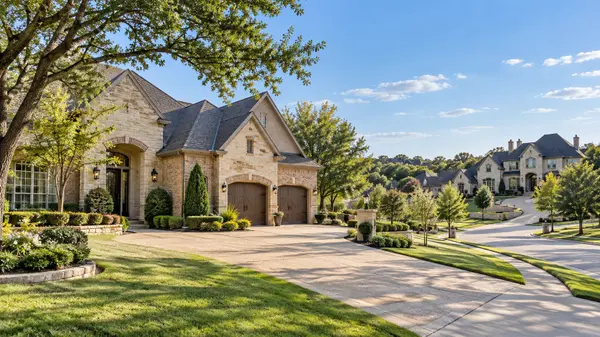
Argyle Home Selling Timeline for Move-Up Buyers
An Argyle home selling timeline works best when you treat the sale of your current home and the purchase of your next one as a single, coordinated plan. For most move-up buyers, getting the current home prepared, priced, and under contract before making an aggressive purchase offer creates the clear
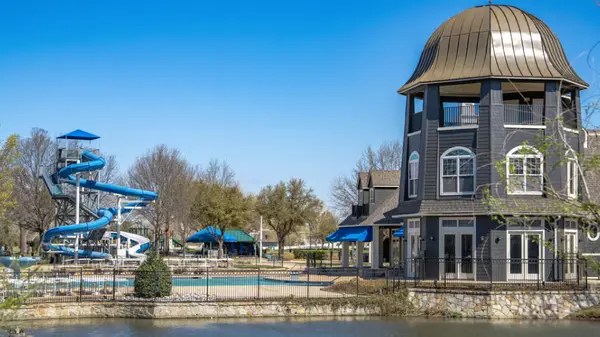
Providence Village: Front-Porch Charm Meets Modern Family Living
Providence Village feels like stepping into a storybook — where pastel-painted homes line tree-shaded streets, and neighbors wave from wide front porches. Built around a sense of community, this Denton County gem blends small-town charm with big amenities, offering families a true hometown feel just
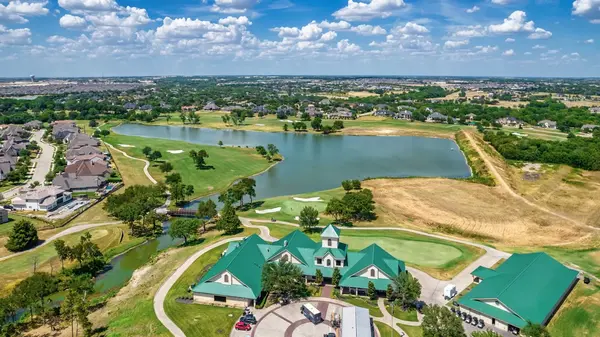
Prosper, Texas: Big Homes, Big Vision, and a Family-First Feel
Prosper lives up to its name. Once a quiet farming town, it has grown into one of North Texas’s most desirable family destinations — known for top-tier schools, beautiful master-planned communities, and a strong sense of pride that runs through the entire town. Prosper isn’t trying to be trendy or c